Women's Medical Scrubs UK: Comfort Meets Professional Style
2026-08-11 10:12:37
Introduction
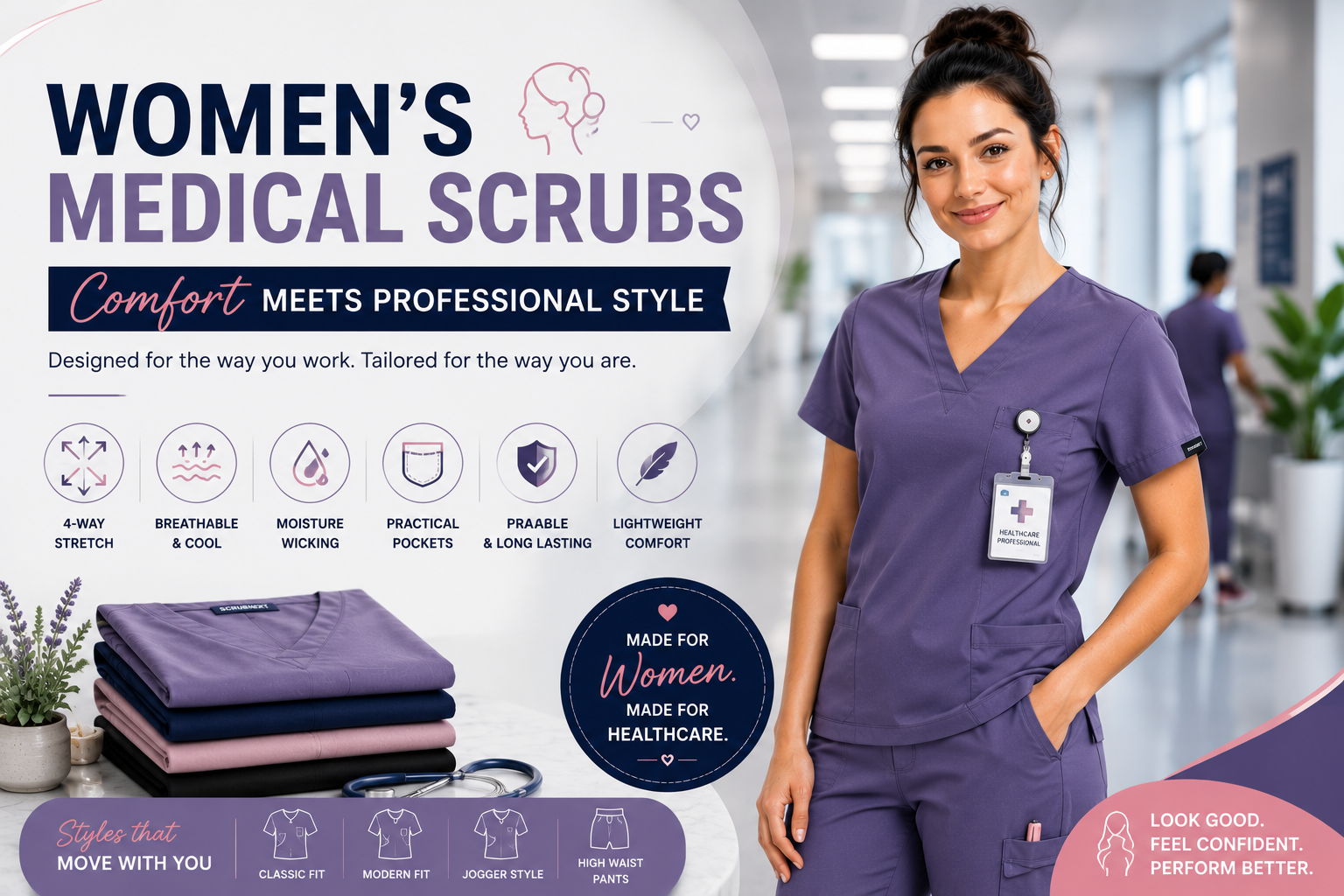
Women's medical scrubs have come a long way from the oversized, unisex uniforms that once dominated healthcare workwear. Today's collections are designed specifically around a woman's shape and movement, combining stretch fabric, curved tailoring, and practical features that support comfort without compromising a professional appearance.
Choosing the right women's scrubs involves more than picking a flattering colour. Fit, fabric, and functional details all affect how you feel and move through a demanding shift and getting these right can make a noticeable difference by hour ten of a long day. This guide covers everything worth knowing before you buy.
How Women's Medical Scrubs Have Evolved
For years, women in healthcare wore the same boxy, unisex scrubs as their male colleagues uniforms designed with minimal tailoring and little consideration for body shape or movement. While functional, this one size fits most approach often meant excess fabric bunching at the waist, sleeves that sat awkwardly, and trousers that didn't account for hip and waist proportions.
Modern women's scrubs address this directly. Curved tailoring through the waist, contoured seams, and stretch fabric now allow for a genuinely flattering fit that still supports the mobility healthcare work demands. This shift reflects a broader move across medical workwear from purely functional uniforms toward performance clothing that considers both comfort and confidence.
Key Features to Look for in Women's Scrubs
A Fit Designed for a Woman's Shape
A well designed women's scrub top follows the natural curve of the waist rather than hanging straight and shapeless. Trousers should sit comfortably at the hip with enough room through the thigh for bending and walking, while still maintaining a tailored, professional silhouette rather than excess bulk.
Four Way Stretch Fabric
Stretch fabric containing spandex or elastane allows the uniform to move in every direction essential for bending, reaching, crouching, and the fast movement many healthcare roles demand. This also helps a tailored fit stay comfortable rather than restrictive.
Breathable, Moisture Wicking Material
Long shifts and additional PPE layers can lead to overheating. Breathable fabric combined with moisture wicking technology helps regulate body temperature and keeps you feeling fresh throughout a 12 hour day.
Flexible, Comfortable Waistbands
Many women's scrub trousers now include wide, flexible waistbands sometimes with a partial elastic or drawstring design offering comfort through long periods of standing, bending, and sitting without digging in or shifting out of place.
Reinforced Stitching
Reinforced seams at the shoulders, sides, and pockets extend the lifespan of a scrub set, particularly for physically active roles that put regular strain on these stress points.
Practical, Well Hidden Pockets
Women's scrub collections increasingly focus on pockets that are functional but don't add visible bulk. Look for a chest pocket, cargo pockets, hidden or side pockets, a secure phone pocket, a pen sleeve, and an ID badge loop features that keep essentials accessible without disrupting the uniform's shape.
Wrinkle and Fade Resistance
Since scrubs are typically washed after every shift, fabric that resists wrinkling and holds its colour over repeated washing keeps your uniform looking polished with minimal extra effort.
Popular Women's Scrub Styles
Classic Fit
A timeless, slightly relaxed silhouette that suits most body types and workplace settings. This style prioritises comfort and ease of movement while still offering a tailored, professional appearance.
Modern Fit
A more contoured cut through the waist and hips, offering a flattering shape without being tight or restrictive. This has become one of the most popular styles as women's scrub design has moved away from boxy, unisex cuts.
Slim Fit
A closer cut option for those who prefer a more fitted silhouette, typically made with stretch fabric to maintain comfort and mobility despite the slimmer cut.
Relaxed Fit
A looser, more traditional cut for those who prioritise ease of movement and prefer additional room, while still benefiting from the shaping details of modern women's scrub design.
Jogger Style Scrub Trousers
Featuring an elasticated ankle cuff and a slightly tapered leg, jogger scrubs offer a contemporary, athletic look combined with secure, practical trouser length. This style has grown particularly popular among younger healthcare professionals.
High Waisted Scrub Trousers
High waisted styles sit above the natural waistline, offering additional coverage and support during bending or reaching, while pairing well with both tucked and untucked scrub tops.
Choosing the Right Fabric
Fabric choice affects comfort, durability, and how well scrubs perform through frequent washing.
Cotton Soft and breathable, well suited to shorter shifts or lower intensity roles such as GP surgeries or clinics, though it offers limited stretch and wrinkles more easily.
Polyester Durable, wrinkle resistant, and quick drying, making it practical for busy hospital environments with frequent washing schedules.
Stretch blends (polyester or cotton with spandex/elastane) The best choice for active roles involving bending, lifting, or fast movement, offering flexibility that moves with the body rather than against it.
Many premium women's scrub ranges now use performance fabric, combining breathability, durability, and stretch into a single material often the most versatile option for professionals working long, physically demanding shifts.
Popular Colours for Women's Medical Scrubs
Colour requirements vary by employer and department, so always check your workplace's uniform policy before ordering. Common colours across UK healthcare settings include:
-
Navy blue the most widely worn colour among nurses and general clinical staff, associated with professionalism and reliability
-
Royal blue a brighter alternative to navy, sometimes used in private healthcare settings
-
Ceil blue traditionally worn by surgical and theatre teams
-
Burgundy increasingly popular in dental and specialist clinic settings for a modern, premium look
-
Black common in private healthcare for its sleek, contemporary appearance and strong stain resistance
-
Grey often chosen by physiotherapists, pharmacists, and rehabilitation centres for its clean, modern look
If your workplace doesn't enforce a strict colour policy, navy blue remains the most versatile and widely available choice across sizes and styles.
Women's Scrub Sizing Guide
Fit affects comfort and confidence as much as fabric does, and getting it right matters more than following your usual clothing size.
-
Measure your chest, waist, and hips rather than relying on standard fashion sizing, since scrub sizing conventions often differ
-
Check the specific brand's size chart, as fit and proportions vary noticeably between manufacturers
-
Consider petite or tall options if available, since standard sizing doesn't always account for different height proportions
-
Think about layering, particularly during colder months if you wear a base layer underneath your scrubs
-
Prioritise mobility over a snug fit if your role involves frequent bending, lifting, or fast movement a size with adequate stretch will feel more comfortable across a full shift than a tighter, less flexible fit
-
Read fit reviews when available, since these often indicate whether a specific style runs small, large, or true to size
How Many Scrub Sets Should You Own?
Since scrubs are typically washed after every shift, most full time healthcare professionals benefit from owning three to five sets at minimum, ensuring a clean uniform is always available regardless of laundry schedules or unexpected shift changes. Those working irregular or back to back shifts often prefer five or more sets to avoid running short during a demanding week.
Common Mistakes Women Make When Buying Scrubs
Defaulting to old unisex sizing habits Many women still size themselves based on outdated unisex scrub fits, missing out on the improved comfort and shape offered by modern women's specific designs.
Choosing style over functional fit A flattering silhouette matters, but if a role involves heavy lifting or fast movement, prioritising stretch fabric and mobility should come first.
Overlooking waistband comfort A rigid, non flexible waistband can become genuinely uncomfortable over a 12 hour shift, particularly for roles involving a lot of sitting, bending, or standing.
Ignoring pocket practicality Some styles prioritise a sleek look over functional storage, leaving little room for a phone, pen, or ID badge. It's worth checking pocket details before buying, not just the overall silhouette.
Underestimating how many sets are needed Owning only one or two sets leads to more frequent, rushed washing, which shortens the fabric's overall lifespan.
Completing the Look: Accessories for Women's Scrubs
A well fitted scrub set is the foundation, but a few accessories can round out both comfort and practicality across a shift:
-
Comfortable, supportive medical footwear reduces fatigue during long periods of standing or walking
-
Compression socks support circulation and reduce leg fatigue on 12 hour shifts
-
A moisture wicking base layer adds warmth in colder wards without extra bulk, particularly useful during winter months
-
A scrub jacket practical for moving between temperature controlled departments or added warmth during breaks
-
A scrub cap useful for theatre settings or personal preference, often available in coordinating colours and patterns
-
An ID badge holder or lanyard pairs neatly with a scrub top's badge loop for quick, secure identification
Seasonal Fit Considerations
Clinical environments don't always maintain consistent temperatures throughout the year, so it's worth factoring seasons into your scrub choice too. In warmer months or busier wards, lightweight, breathable, moisture wicking fabric helps prevent overheating. In colder months, if you layer a thermal base layer underneath, consider sizing slightly roomier through the top and waistband to maintain full mobility without feeling restricted. Many women find that investing in a performance fabric blend removes the need to think about seasonal changes altogether, since these materials regulate temperature more consistently than basic cotton or polyester across the year.
Why ScrubNext Is a Strong Choice for Women's Scrubs
At ScrubNext, our women's scrub range is designed around real shift demands, not just how a uniform photographs. Every set includes:
-
Curved, tailored fit designed specifically for a woman's shape
-
Four way stretch performance fabric
-
Breathable, moisture wicking material
-
Reinforced stitching at high stress points
-
Practical, well placed pockets that don't add visible bulk
-
Classic, modern, slim, and jogger style options
-
Consistent sizing across our full women's range
Whether you're a nurse, doctor, dentist, physiotherapist, or veterinary professional, ScrubNext's women's scrub collection is designed to support you through demanding shifts while helping you feel comfortable and confident from the first hour to the last.
Frequently Asked Questions
What is the best fit for women's medical scrubs?
A tailored fit that follows the natural waist and hip shape, combined with stretch fabric, generally offers the best balance of comfort, mobility, and professional appearance compared to older, boxy unisex designs.
Are jogger style scrubs appropriate for hospital wards?
This depends on your employer's uniform policy. Many UK hospitals now permit jogger style scrub trousers, though it's worth confirming with your department before ordering, since policies vary between trusts and private settings.
What fabric is best for women working 12 hour shifts?
A stretch or performance fabric blend combining breathability, moisture wicking properties, and four way stretch typically offers the best comfort and durability for long, physically active shifts.
How should women's scrub trousers fit?
They should sit comfortably at the hip and waist with enough room through the thigh for bending and walking, while maintaining a tailored, professional silhouette without excess bulk.
How many sets of scrubs should a full time female nurse own?
Most full time professionals benefit from three to five sets, ensuring a clean uniform is always available between shifts and laundry days.
What colour scrubs do women typically wear in the NHS?
Navy blue is the most common colour for female nursing and clinical staff, though this varies by trust and department, so it's worth confirming your specific employer's dress code.
Final Thoughts
Women's medical scrubs have moved far beyond the oversized, unisex uniforms of the past. Today's options offer genuine tailoring, stretch performance fabric, and thoughtful design details that support both comfort and confidence through demanding shifts.
Choosing the right fit, fabric, and style based on your specific role and shift pattern makes a meaningful difference to how you feel and perform throughout the day proving that comfort and professional style don't have to be a trade off.
Shop ScrubNext's women's scrub collection and find the fit, fabric, and style built for your shift.